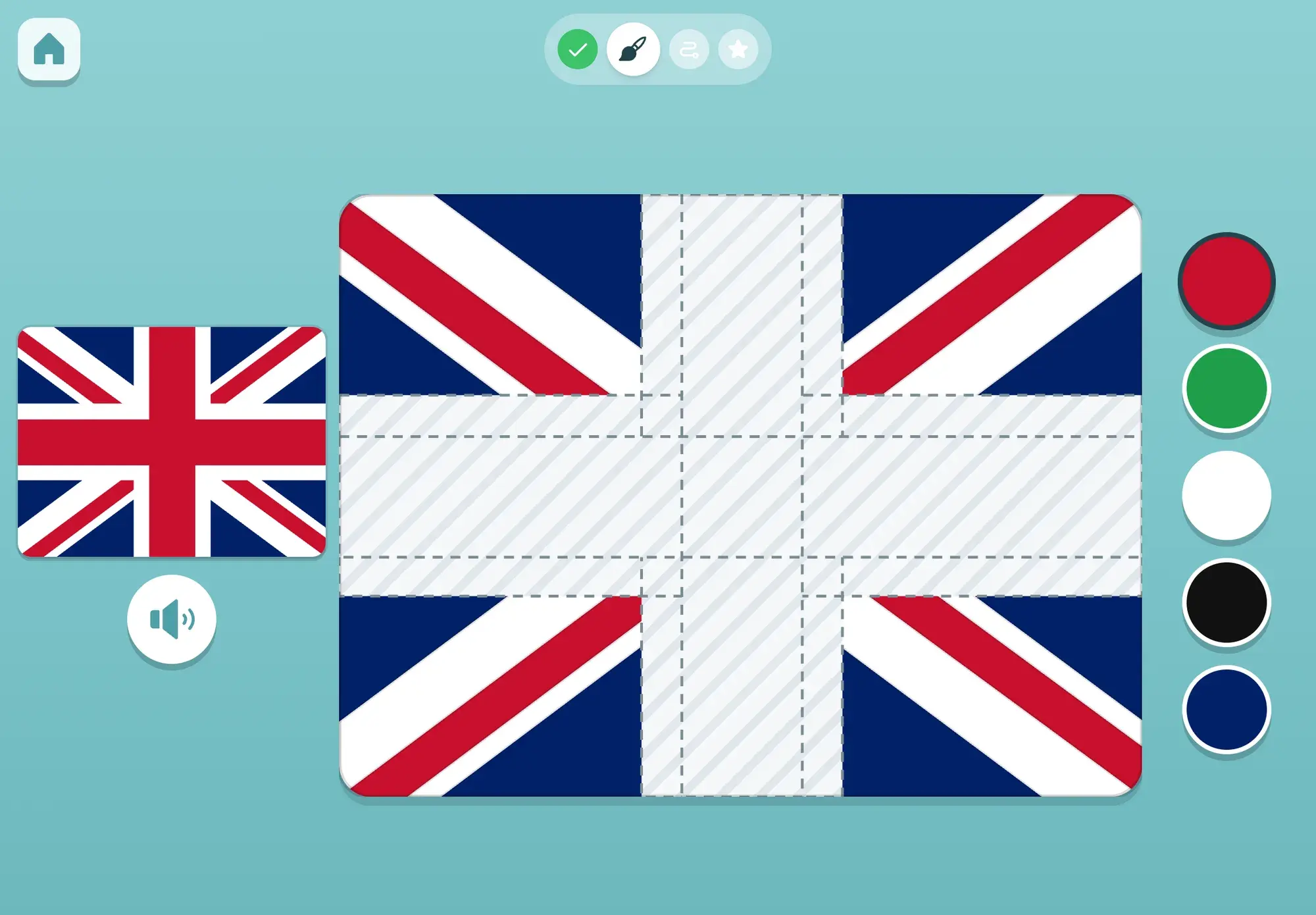
Meet a country, paint its flag, drive there, and earn a passport stamp
Ages 3–6GeographyCoding
Three is when a lot of children start asking “why?” about everything, and when short, playful learning starts to stick. A good game for a 3-year-old has to work without any reading, with targets big enough for small fingers and nothing that punishes a wrong tap.
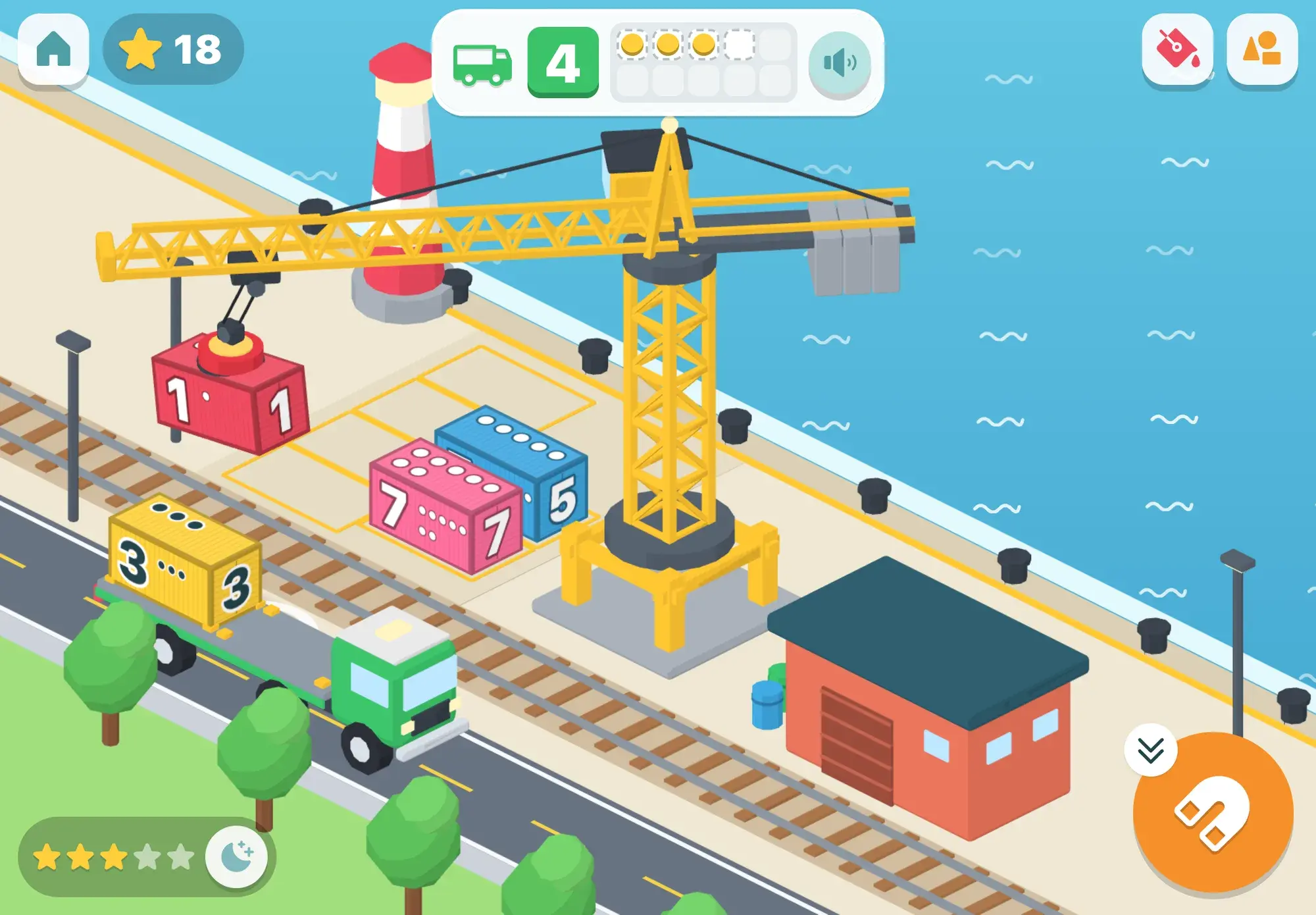
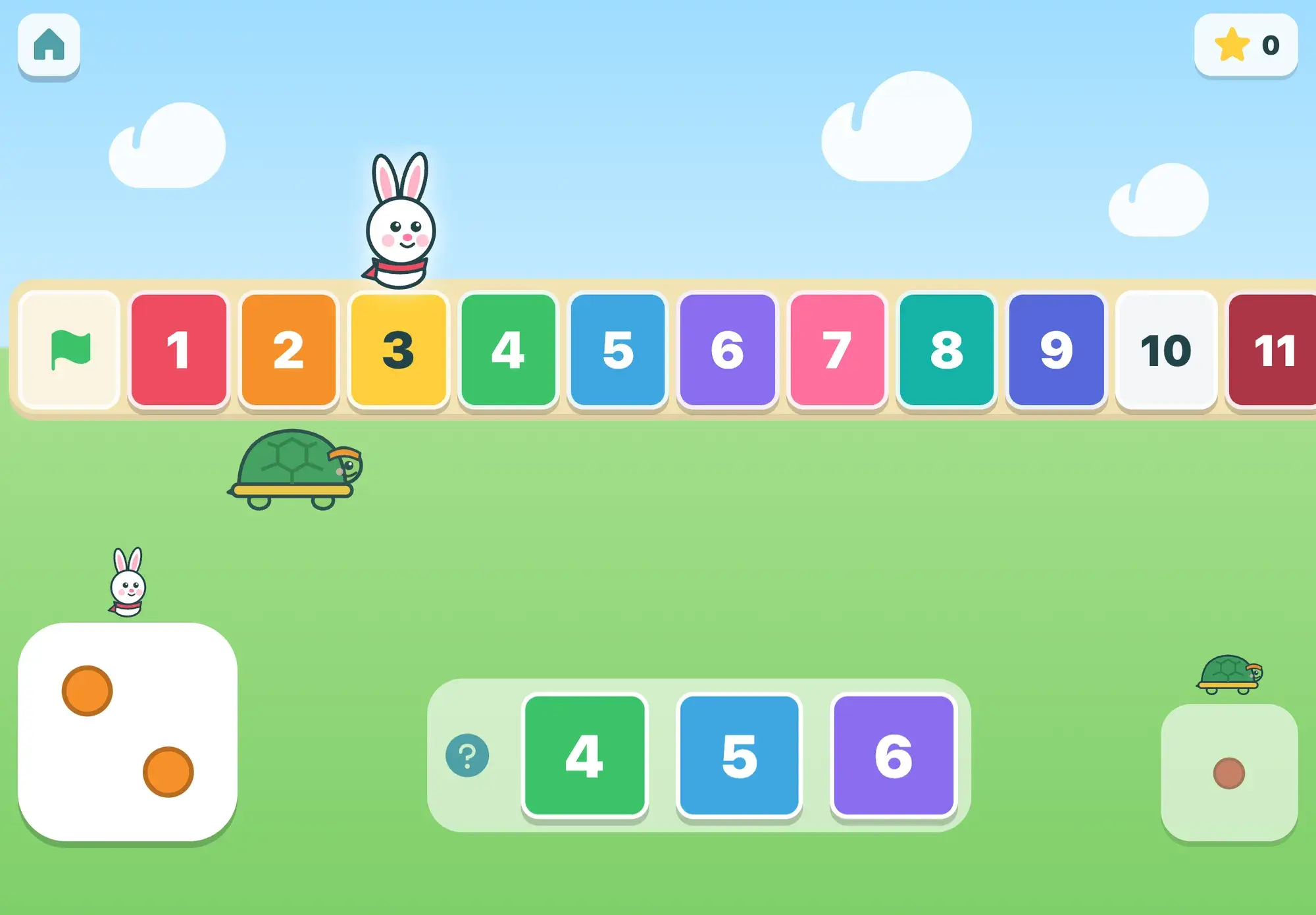
Maestri World opens with the games that suit three: the first letter sounds, the port’s crane and its numbers, the number race, the block builder, the word book, the trip around the world, the family home, meal time, Bo’s cabin, the language school and the band stage. The rest stay as building sites in the town until your child is old enough, and a parent can open any of them early.
Meet a country, paint its flag, drive there, and earn a passport stamp
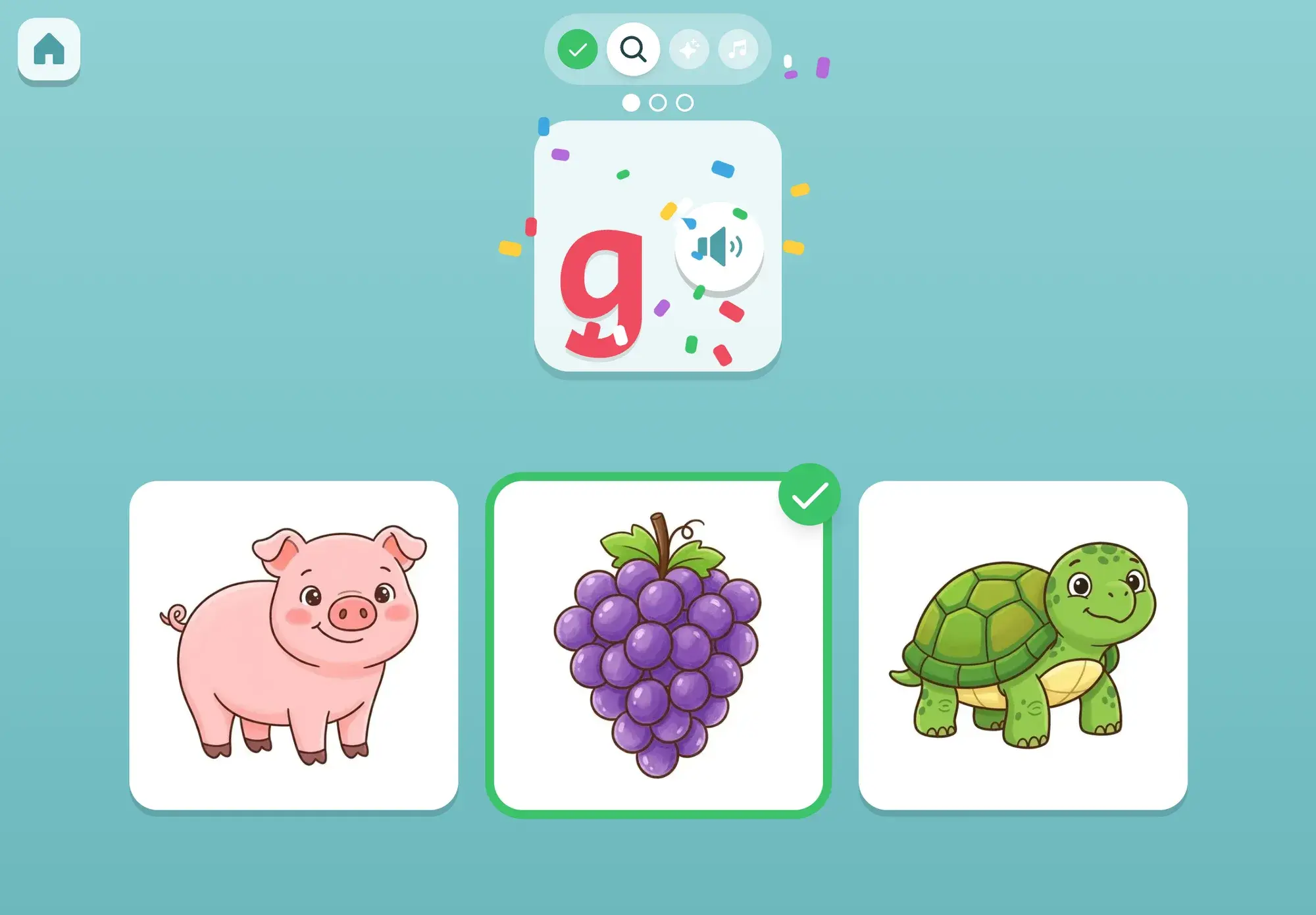
One letter sound at a time, from s, a, t, p to sh and ee, then little books
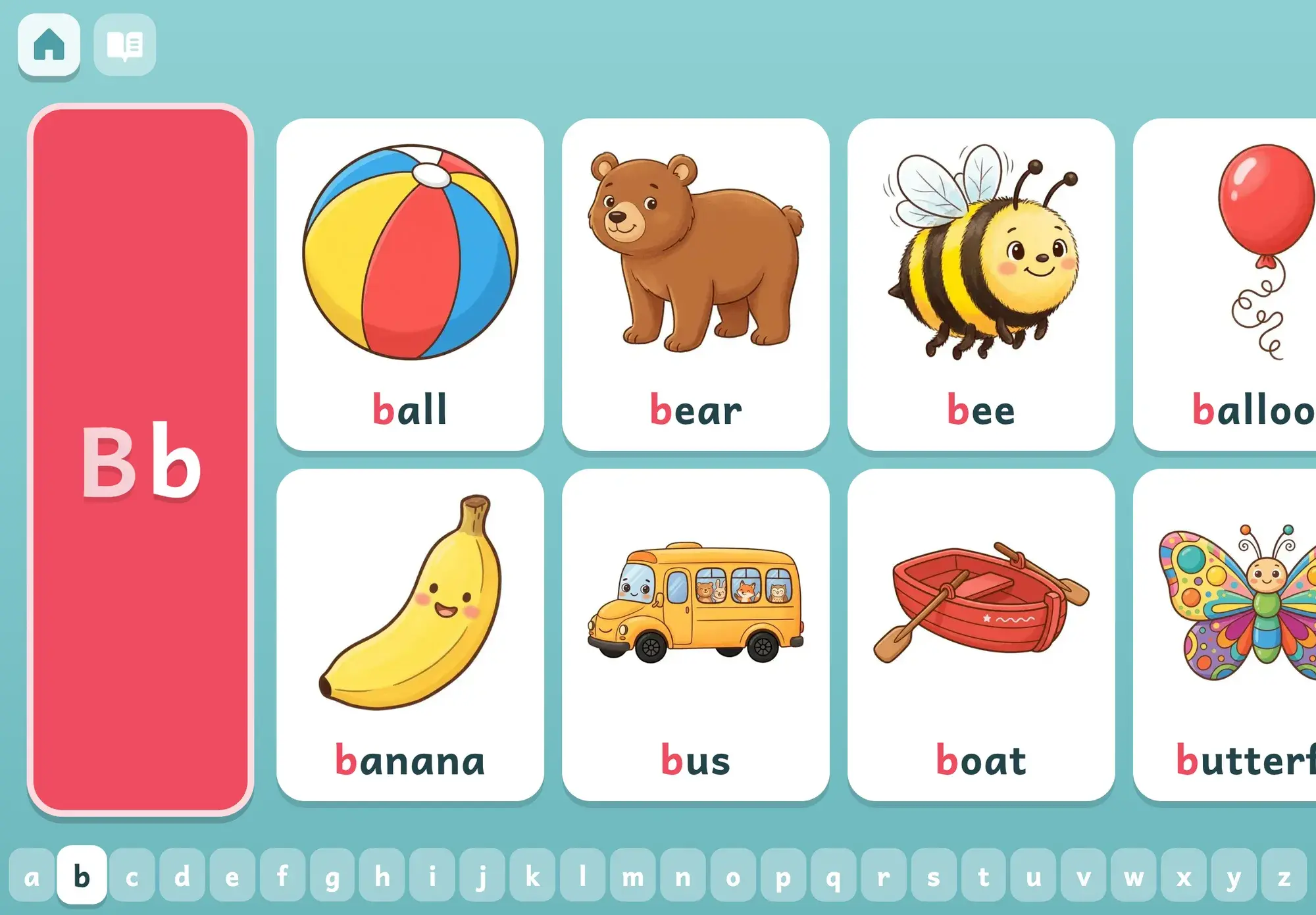
Swipe from A to Z and round again. Every picture says its name.
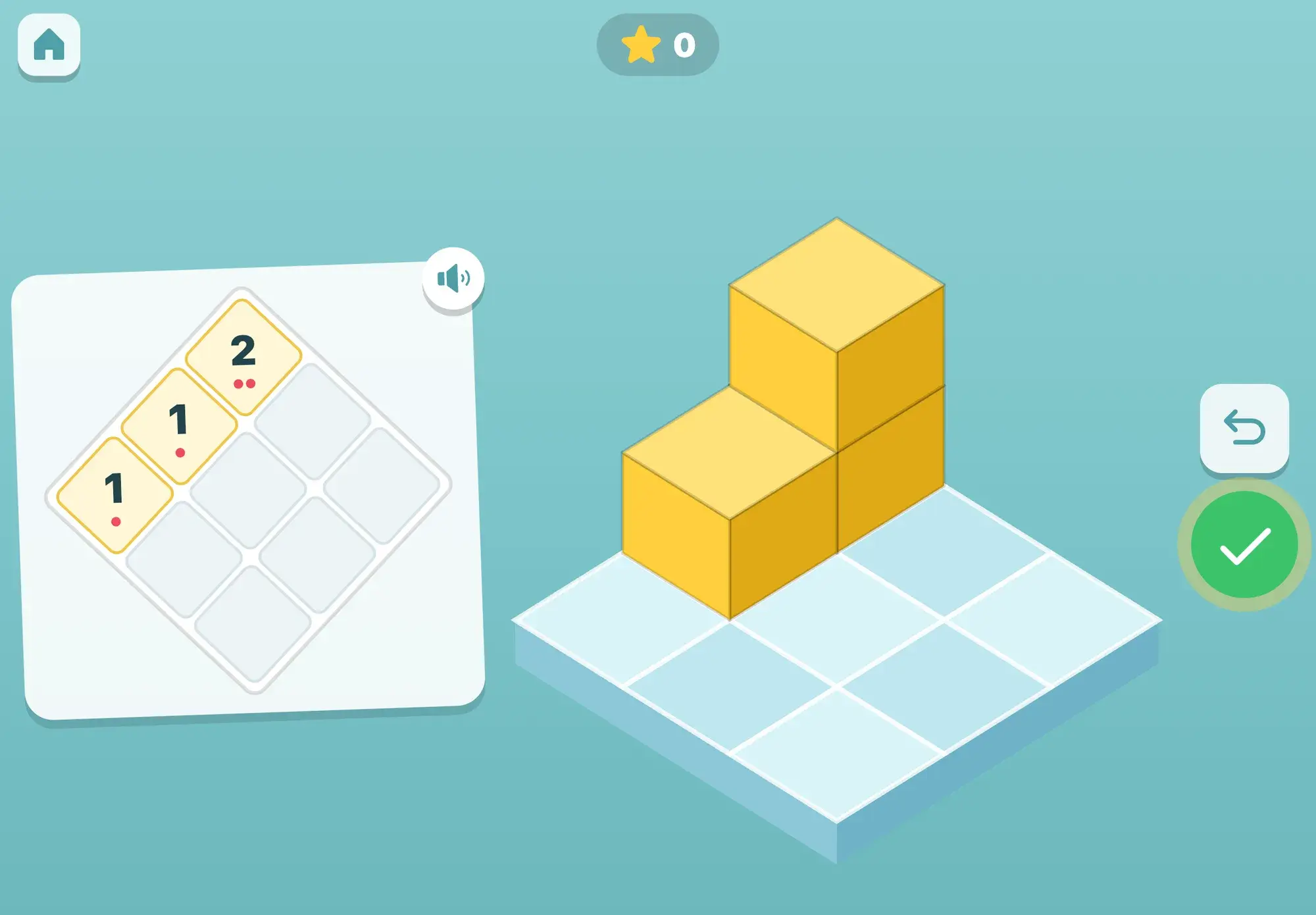
Copy the build, then build what the puppy’s camera sees from the other side
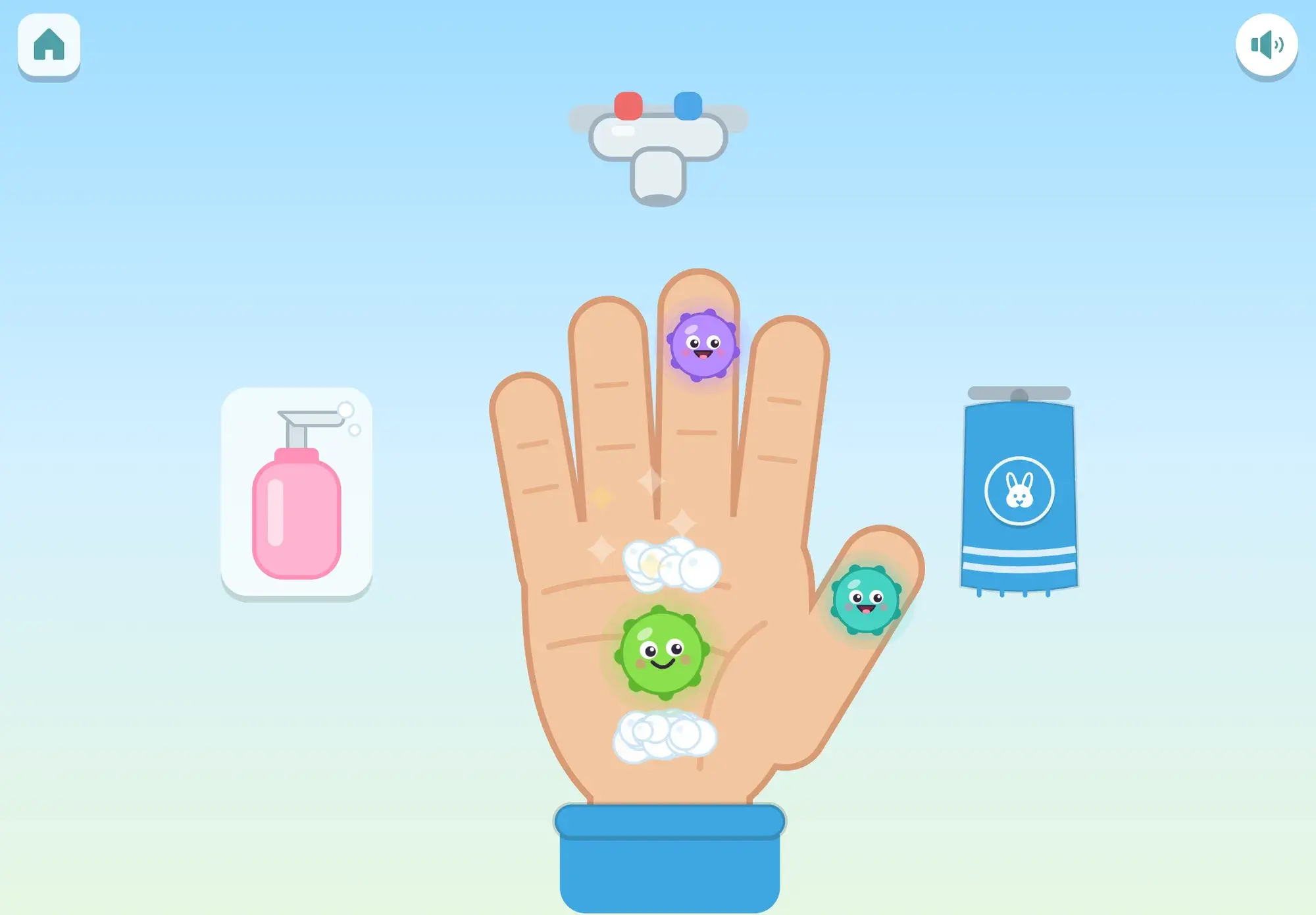
A family home with four rooms, each one full of everyday life to practice.
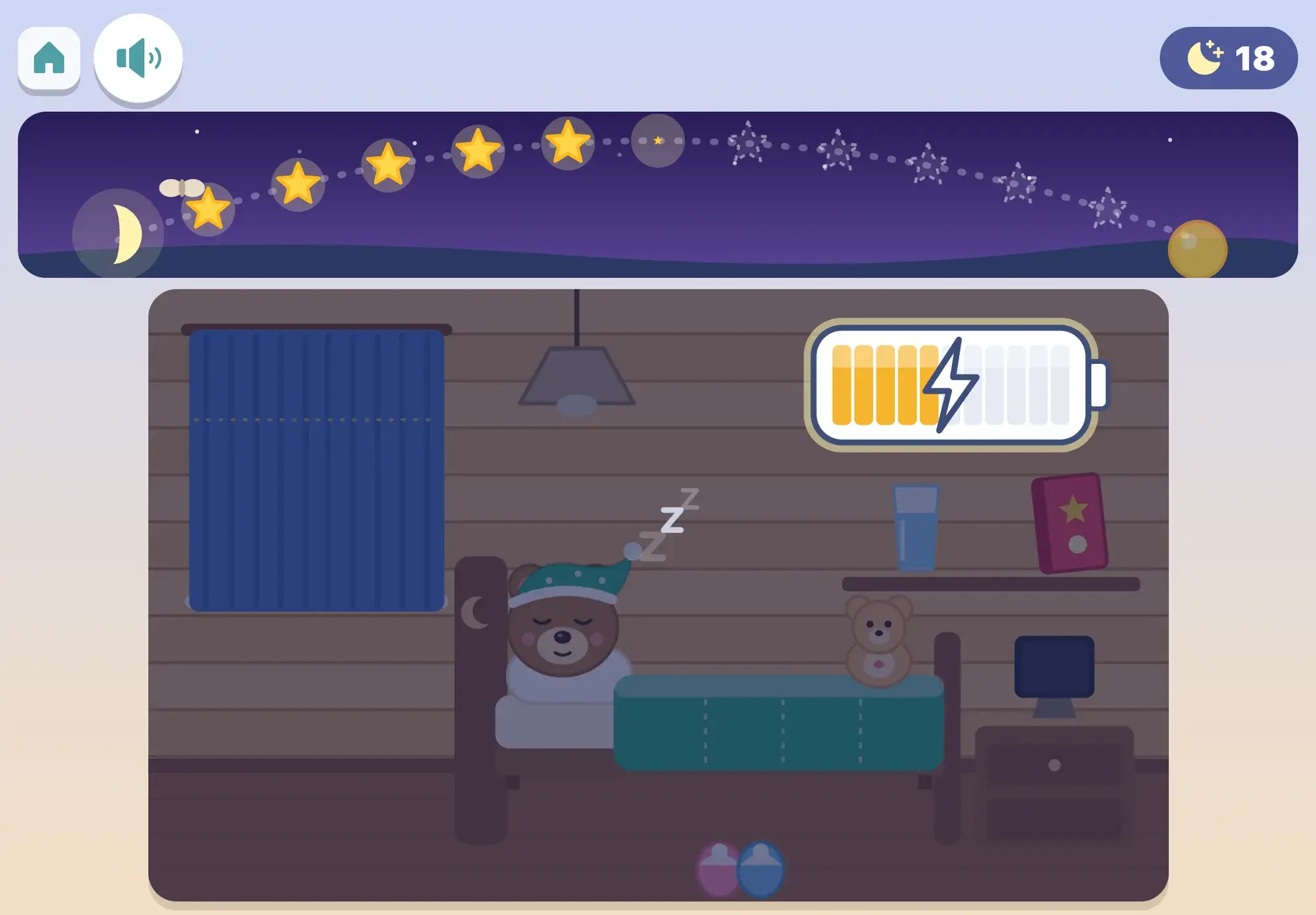
Sleep charges you up, like a battery: a gentle game about bedtime.
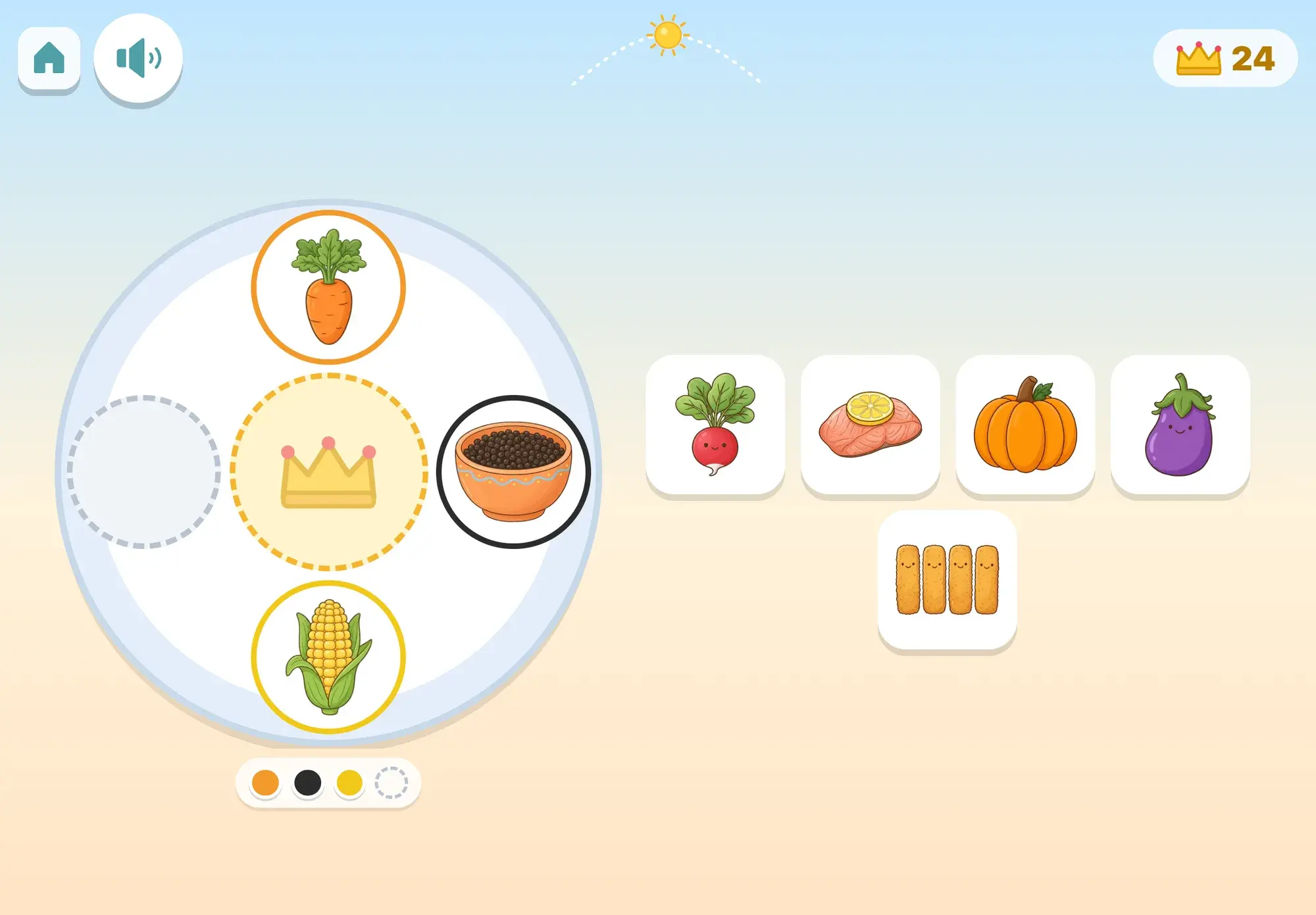
Bo has never eaten at a table before. Your child shows him how.
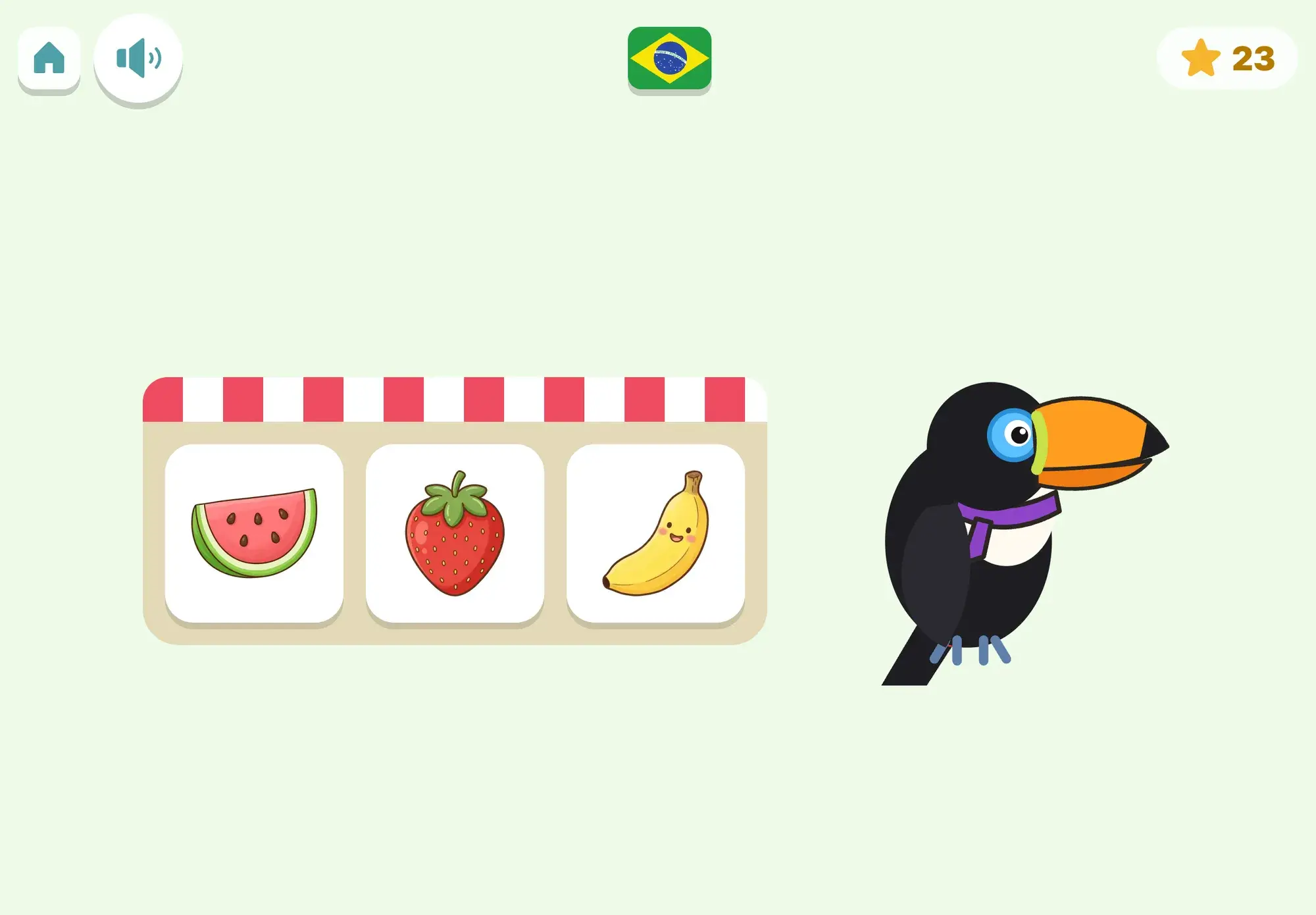
Hello, colors, fruits and numbers in Portuguese, from a toucan who speaks nothing else.
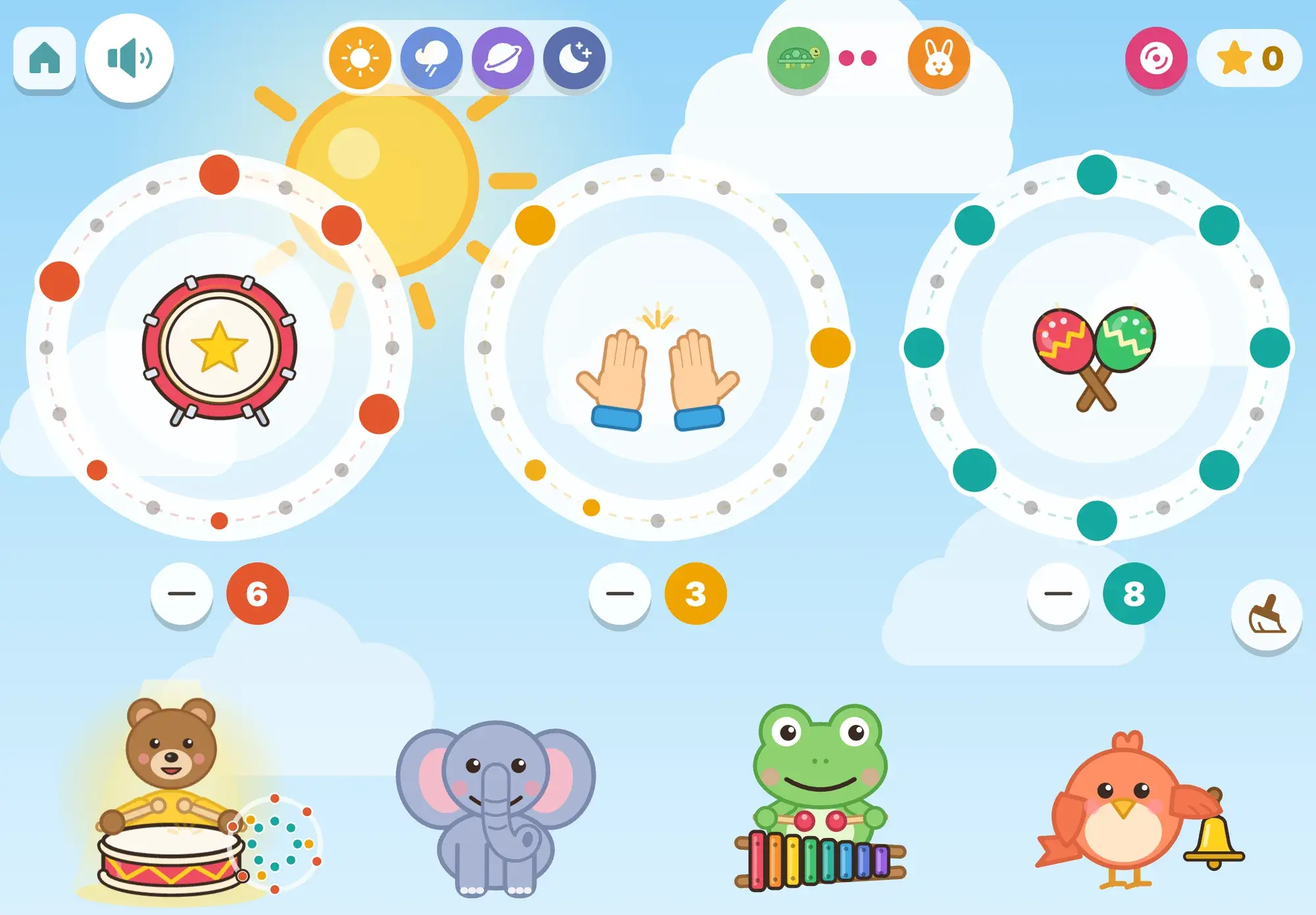
Every note lands in time and in tune, so your child sounds good from the first tap.
Child development
A few examples from the CDC's milestone checklist, which lists what most children can do by this age. Every child develops at their own pace.
Says what action is happening in a picture or book when asked, like “running,” “eating,” or “playing”
Draws a circle, when you show him how
Asks “who,” “what,” “where,” or “why” questions
Uses a fork
Source: CDC, Milestones by 3 years
What helps
A 3-year-old should never have to wait for an adult to read a screen. Every instruction in Maestri World is said out loud and can be heard again with a tap.
Children aged three to six tap small targets much less accurately than adults (Vatavu, Cramariuc and Schipor, 2015), so the town’s buttons are about 2.5 cm across and never touch.
No lives, no red crosses, no timers that run out. A wrong answer is part of the game, and the hints come back when they are needed.
A parent sets the session length. When time is up, the break screen gives a small mission to do at home, away from the screen.
FAQ
Yes, that is what it is designed for: nothing to read, big picture buttons, and a home screen that is a town where each game is a building. Playing together now and then makes it better, as with any game.
Every game listed on this page opens at three. Games for older children show as building sites until your child is old enough, unless a parent opens them.
Spoken from the first tap, no reading needed, no ads, and progress that stays on your iPad.