7 min read
Healthy habits for kids aged 3 to 6: food, handwashing and sleep through play
How to teach preschoolers healthy eating, handwashing and good sleep through everyday play, with what the main health guidelines say.
Read the guide
The microscope lab
Turn the focus knob, catch a water bear, and find out what soap does.
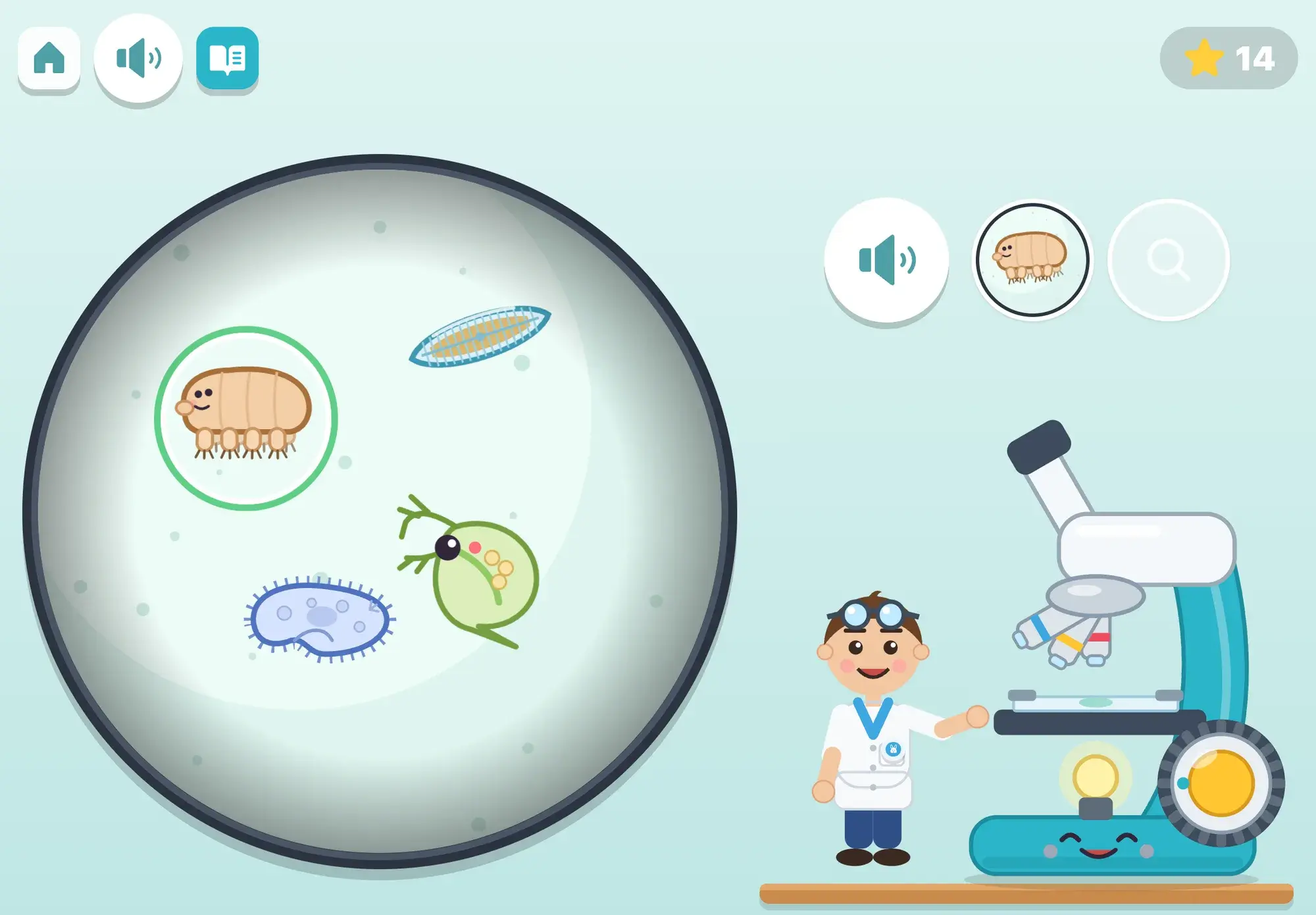
In the microscope lab your child is the scientist, at a lab bench in a white lab coat with their own color on the collar and their animal on the pocket. Every round puts something under a big friendly microscope, and the round view through the eyepiece starts blurry. Your child turns the focus knob until it snaps sharp, with a chime and “Sharp!”, and the microscope smiles.
Sometimes they zoom in further with the lens turret, three lenses with colored bands like real ones: the view dives into the picture, goes a little blurry, and they focus again. Focusing and zooming are never mistakes. Then comes a question: what is it, is it alive, how many swimmers are there, which plate grew more germs?
Everything new goes into a tiny things book of 34 pages, from close-ups and pond swimmers to cells, germs and animals. A tap on a page says its name and its fact again.
How it plays
A mystery close-up comes into focus, and your child taps the everyday thing it comes from. A strawberry has seeds on the outside, a feather has tiny branches that hook together, a butterfly wing is covered in tiny tiles called scales, and salt is little cubes. Later the zoom goes deeper, to the hooks that zip a feather together.
Water fleas, rotifers, a rolling green volvox and a chubby eight-legged water bear drift round the view. A tap catches one, says its name and one fact (“It has one big eye, and you can see its heart beat.”), and puts it in the book. Then your child counts the catch, one tap each. Later, in a busier drop, they find the one the voice asks for.
One thing at a time goes under the microscope, then into the sprout basket or the pebble basket. Living things move by themselves, eat and grow, and the living ones wiggle a little on their own. Moss, a tiny plant, belongs with the living things; a grain of sand, a salt crystal, a thread and a bread crumb don’t.
Onion skin: “Each little brick is a cell. Every living thing is made of cells. You too!” Your child zooms through two or three lenses and taps the things asked for: the bricks, the green dots in leaf cells that catch sunlight to make the plant’s food, the tiny mouths under a leaf, and root hairs that drink water.
Two hands over two plates of jelly: one washed with soap, one not. “Which plate will grow more germs?” Your child guesses (a guess is never a mistake), presses each hand on its plate and fast-forwards two days. Many spots grow on one plate and a few on the other: “Each spot is a germ city!” Washing with soap takes most of them away.
Yogurt, cheese, bread dough and old leaves turning into soil all have tiny helpers; hands after the toilet or the sandbox go in the wash-them-away basket. “Most tiny living things are friendly. Only some make us sick.” The last step shows a tiny bit of an animal, like a fish scale or a bee’s furry leg with pollen, and asks whose it is.
Skills
The thinking
Telling living things from things that have never been alive is part of early science (England’s national curriculum asks it of six- and seven-year-olds in “Living things and their habitats”). Young children already reason that animals move by themselves while objects are moved (Gelman & Gottfried 1996) and that living things eat and grow (Inagaki & Hatano 2006). Plants are the hard case, which is why moss goes in the alive basket.
Teaching young children that germs are tiny living things that grow and multiply improved their handwashing more than rules alone (Au et al. 2008). The plates make that growth visible, and guessing before looking is the predict, observe, explain method (White & Gunstone 1992).
Every fact is true in its simple form. Soap and water take most germs off hands, not all, so the washed plate always grows a few spots (Burton et al. 2011 found gut bacteria on 44% of unwashed hands, 23% after washing with water alone and 8% after soap and water). A child is never asked to tell helpful germs from harmful ones by their looks, because nobody can.
Away from the screen
Ideas to carry the game into everyday life, no screen needed.
Look through a magnifying glass together at a strawberry, a pinch of salt, a leaf, a feather and a slice of bread.
With a grown-up at the edge, scoop a jar of pond water and look for anything that moves.
Play alive or not on a walk: does it move by itself, eat and grow?
Point out foods made with tiny helpers, like yogurt, cheese and bread dough rising.
FAQ
It opens from age 4 in the town. A tap turns the knob one click, so three or four taps always bring the picture into focus, and each step’s first round is small: two pictures, three swimmers, four cards.
It is designed not to. The germs are soft, glowing balls with happy faces, a whole round is about helper germs in yogurt, cheese and bread, and the message is that most tiny living things are friendly and only some make us sick.
Yes, and the parent area lists how. Your child hears “germs” for bacteria, there are no viruses (a light microscope can’t see them), and real cells and swimmers aren’t this colorful.
Guides
How to teach preschoolers healthy eating, handwashing and good sleep through everyday play, with what the main health guidelines say.
Read the guide
Easy STEM activities for 3 to 6 year olds: build bridges, dig and pour, look through a magnifier, grow plants and race cars down ramps.
Read the guide
More to explore
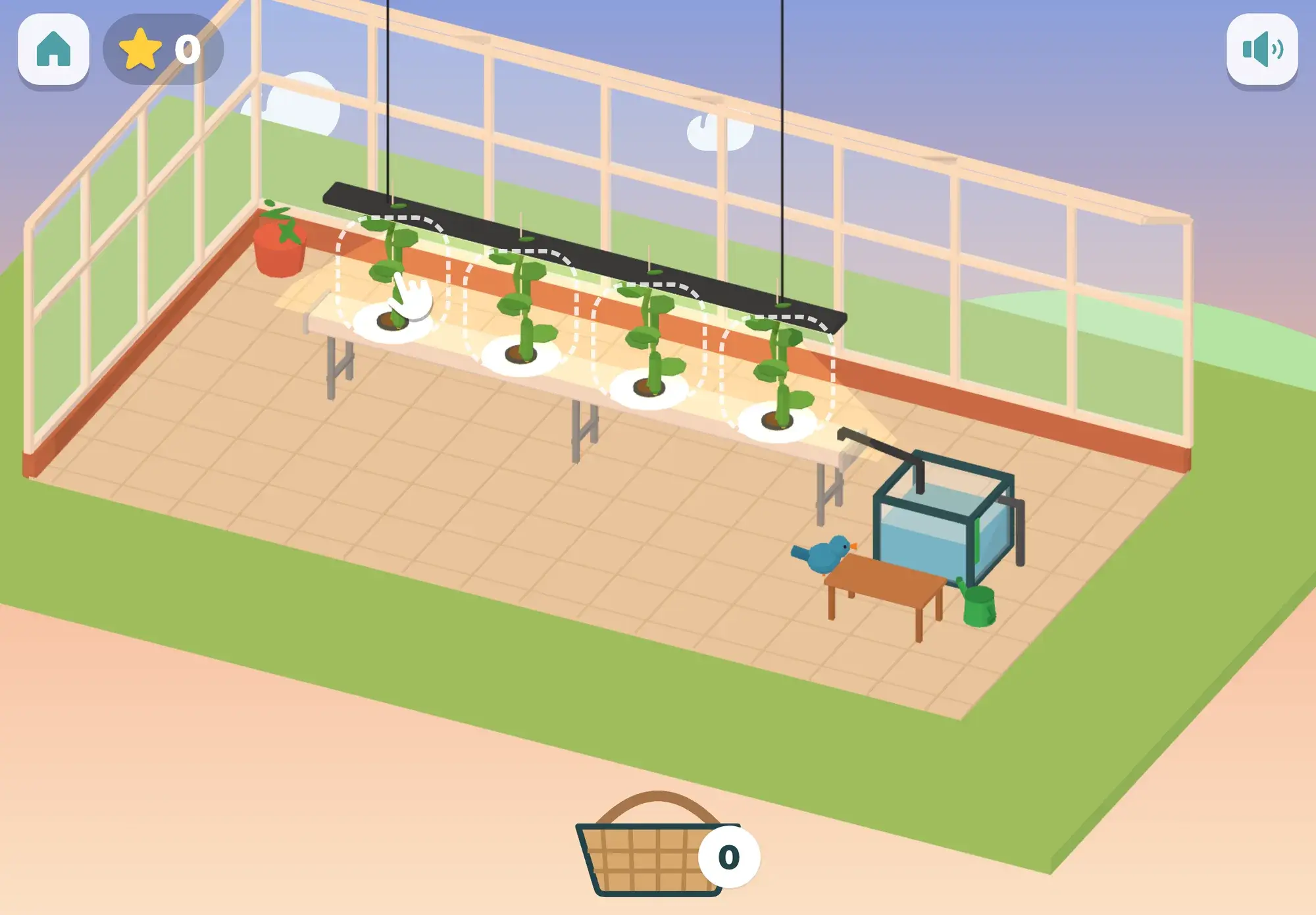
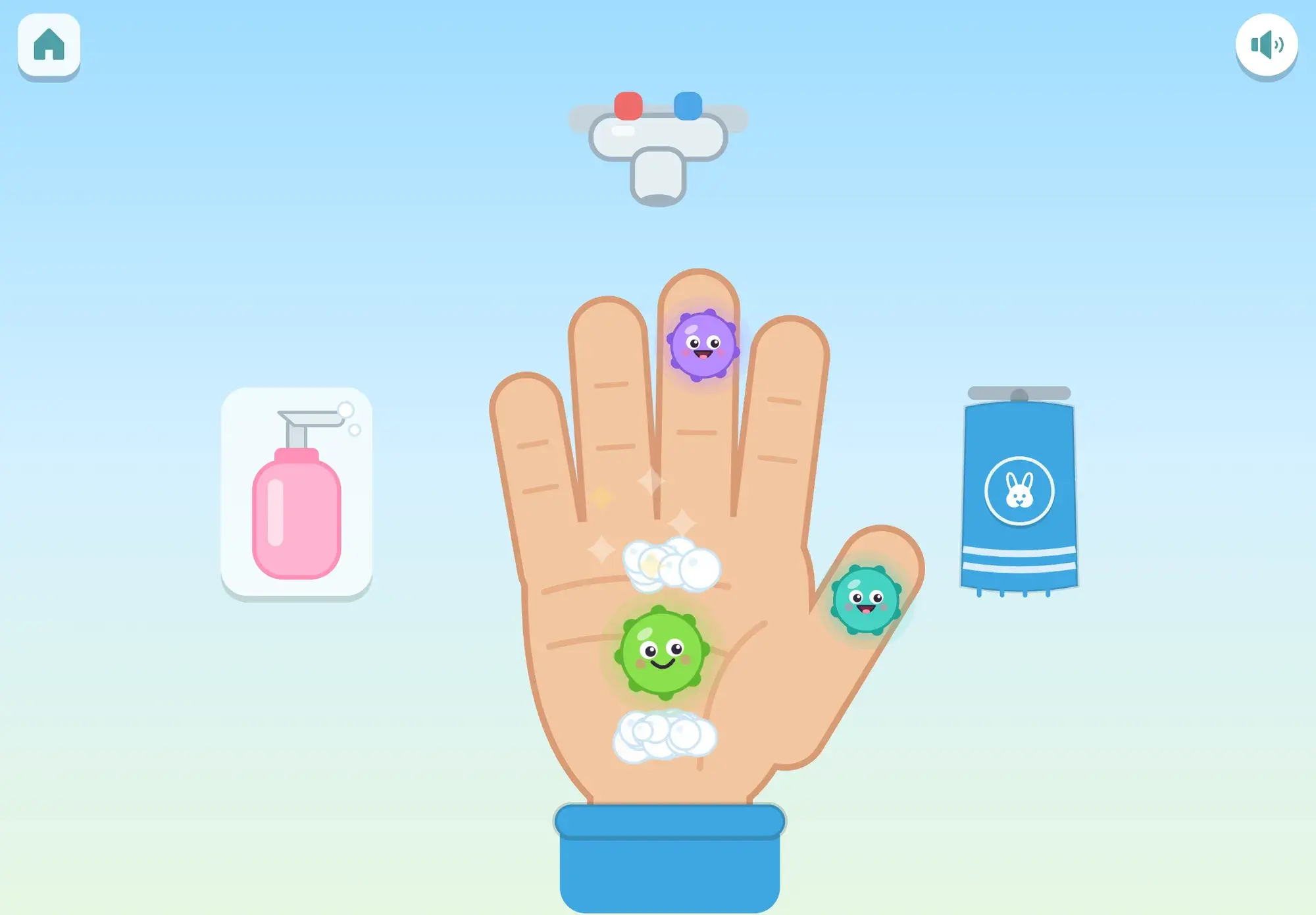
A family home with four rooms, each one full of everyday life to practice.
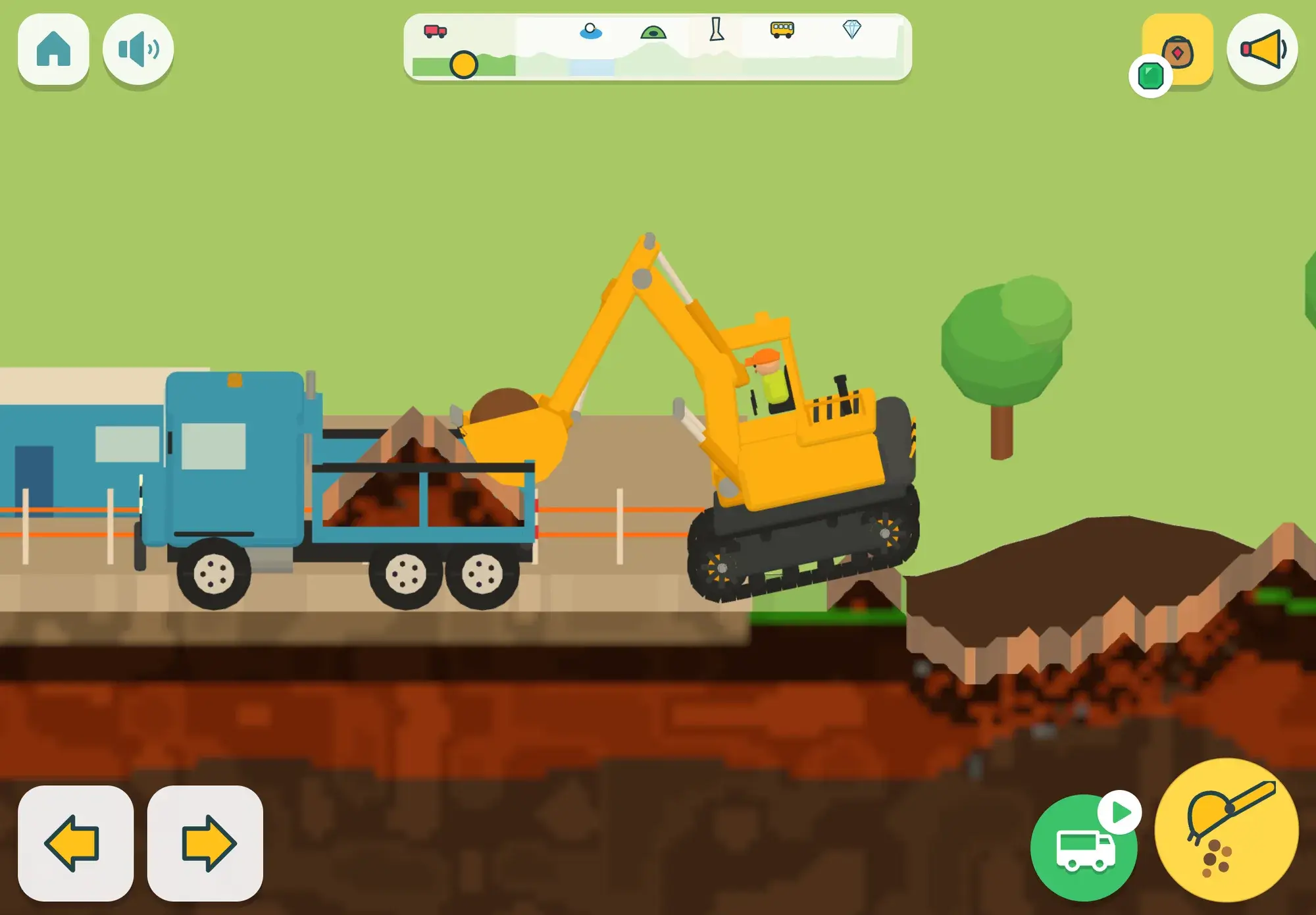
A digger to drive yourself, a world to explore, and no levels at all.
Spoken from the first tap, no reading needed, no ads, and progress that stays on your iPad.